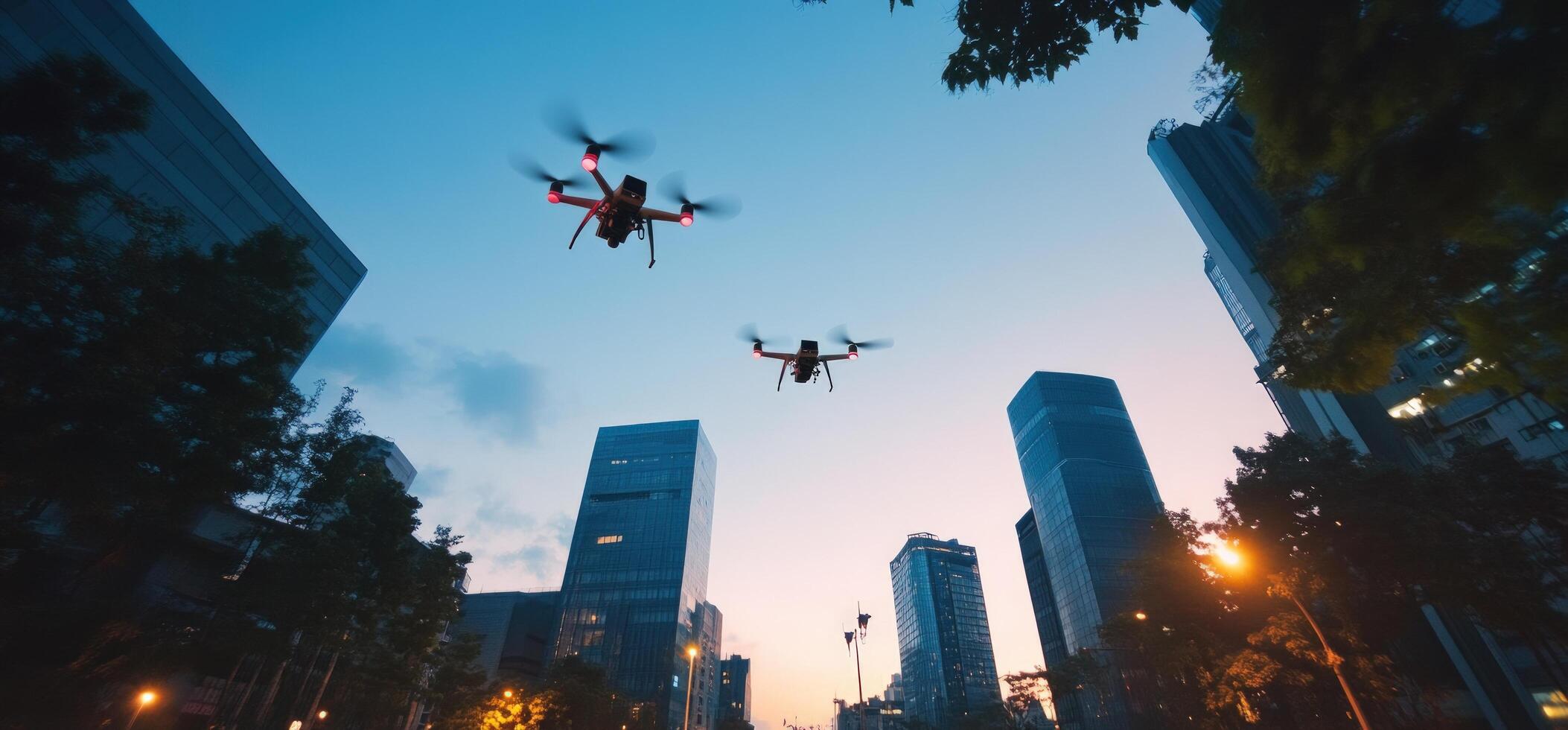
In a world where technology is advancing at an astonishing pace, the terms “”drone”” and “”UAV”” often pop up in conversations surrounding aerial innovations. But what is the difference between a drone and a UAV, and why do these distinctions matter in today’s tech-savvy landscape? This article delves into the nuances that separate these two often-interchanged terms and examines their impact on various industries.
Navigating the Terminology
When you hear the word “”drone,”” it might conjure images of small flying gadgets zipping through the sky, literally revolutionizing the way we capture media, deliver goods, or even conduct research. But is there a technical differentiation when someone refers to a UAV? To put it simply, the term “”drone”” is more commonly used in mainstream language, while “”UAV,”” which stands for Unmanned Aerial Vehicle, is typically utilized in more technical or professional settings.
- Drone: Often refers to any remotely controlled or autonomous flying device and is used in a casual or general context.
- UAV: A more specific and technical term usually employed in professional, military, and governmental contexts. It emphasizes the vehicle’s ability to operate without a human pilot on board.
Usage and Applications
Understanding the distinction between drones and UAVs is crucial as they both serve diverse applications across many sectors. Below we explore some key industries where these technologies are making waves:
Photography and Filmmaking
Drones have significantly transformed the arts of photography and filmmaking. By offering a bird’s-eye view and the ability to capture stunning aerial footage, drones have become indispensable tools for creators. While both drones and UAVs provide this capability, drones are specifically tailored for consumer use with user-friendly controls and camera attachments.
Military and Defense
In the realms of military and defense, UAVs play an indispensable role. They offer strategic advantages by carrying out surveillance and reconnaissance missions without putting human lives at risk. UAVs are often equipped with more sophisticated technology, enabling them to carry heavier payloads and perform complex tasks that exceed the capabilities of recreational drones.
Commercial and Industrial Use
The commercial application of drones and UAVs is as vast as it is varied. From agriculture to delivery services, these aerial devices are used to enhance productivity and efficiency. For instance, in agriculture, UAVs equipped with multispectral sensors monitor crop health, optimizing yield. Meanwhile, commercial drones are increasingly used for tasks such as videography, mapping, and drone for bridge inspection.
The Critical Importance of Labels
Why does it matter whether you label an aerial device as a drone or a UAV? In professional contexts, precision in language can define regulatory, legal, and operational procedures. For governmental agencies, transport authorities, and corporate sectors, the use of the term UAV might dictate compliance with safety standards, aviation regulations, and legal guidelines.
The Federal Aviation Administration (FAA) in the United States, for example, requires specific certifications and flight permissions for UAV operations, particularly those involved in commercial activities. As such, distinguishing between a hobbyist flying a consumer drone and a corporate entity operating a UAV for surveying can have regulatory implications.
Flight into the Future
As we continue to push the envelope of what these flying marvels can achieve, understanding the difference between drones and UAVs becomes not merely a matter of semantics but of significance. Distinguishing between the two enhances our appreciation of their respective roles and ensures that we approach each with the technical precision and respect for their regulatory boundaries. Thus, as technology evolves, we are reminded that clear communication is the foundation of innovation.